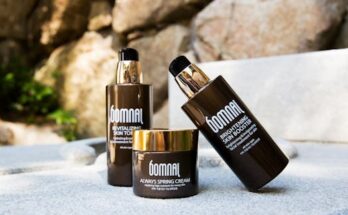
Ah, winter. The season of cozy sweaters, steaming mugs, and… a face that feels like it’s auditioning for a role as a reptile in a low-budget documentary. If your skin is currently masquerading as a crumpled paper bag, welcome to the club. Many of us struggle with treating dry skin during winter months, often resorting to a desperate cocktail of whatever we can find in the bathroom cabinet. But fear not, fellow sufferers! There’s a smarter, and dare I say, more enjoyable way to tackle this annual shedding season. Let’s ditch the scratchy wool and embrace skin that’s more dewy than dusty.
Beyond the “Just Use More Lotion” Mantra
We’ve all heard it: “Oh, you have dry skin? Just use more lotion!” While well-intentioned, this advice is about as helpful as telling a drowning person to “just swim better.” Treating dry skin during winter months requires a nuanced approach, one that understands the why behind the parched predicament. The culprit? A trifecta of harsh winter elements: dry indoor heating, frigid outdoor air, and often, lower humidity levels. These factors conspire to strip your skin of its natural oils, leaving it vulnerable and, well, like a desert landscape.
The Unsung Heroes: Your Humidifier and Smart Hydration Habits
You might think of humidifiers as something your grandma used for her prize-winning orchids, but for your skin, it’s a winter superhero.
Fighting the Dryness from Within: Hydration is Key
It’s easy to forget that what you consume can have a profound impact on your skin’s hydration levels.
Water, Water Everywhere: This sounds obvious, but are you actually drinking enough? Aim for at least 8 glasses a day. Your skin cells will thank you with plumpness, not parchment.
Electrolyte Love: Consider adding electrolytes to your water. They help your body retain moisture more effectively. Think of it as giving your cells a little hydration booster shot.
Fatty Acids for the Win: Omega-3 and omega-6 fatty acids are crucial for maintaining a healthy skin barrier. You can find these in fatty fish (salmon, mackerel), flaxseeds, chia seeds, and walnuts. They’re like the mortar holding your skin cells together!
The “Slathering” Strategy: Choosing the Right Emollients
Now, for the part most people think of when treating dry skin during winter months: the topical applications. But not all moisturizers are created equal, especially when you’re battling the winter chill.
#### What to Look For in Your Winter Moisturizer
Forget those lightweight lotions that disappear faster than a free donut in the break room. You need something more substantial.
Ceramides: These are the lipid molecules naturally found in your skin’s barrier. When your barrier is compromised (hello, winter!), ceramides help to replenish and restore it, essentially acting as tiny skin-repairing ninjas.
Hyaluronic Acid: This powerhouse ingredient is a moisture magnet, capable of holding up to 1000 times its weight in water. It draws moisture from the air and deeper layers of your skin to the surface, creating a plump, hydrated look.
Glycerin: A classic humectant, glycerin is excellent at drawing water into the outer layers of your skin. It’s a workhorse that doesn’t get enough credit.
Oils (The Good Kind!): Think shea butter, cocoa butter, squalane, and plant-derived oils like jojoba or argan oil. These act as emollients, smoothing the skin’s surface and preventing water loss.
#### The Application Technique: It Matters More Than You Think
Applying your moisturizer is an art, not a chore.
- Post-Shower Power: The absolute best time to moisturize is immediately after bathing or showering, while your skin is still slightly damp. This traps that precious moisture in. Don’t towel off so vigorously that you’re essentially exfoliating yourself into oblivion! Pat gently.
- Layering Like a Pro: For seriously dry skin, consider a layering technique. Start with a hydrating serum (like one with hyaluronic acid), then apply your moisturizer. This creates a powerful moisture sandwich.
- Don’t Forget the Nighttime Ritual: Your skin repairs itself overnight, so give it the best tools. A richer, thicker cream or even a facial oil before bed can make a world of difference.
The Water Wars: Navigating Shower Temperature and Duration
This is where many of us unknowingly sabotage our efforts. That piping hot shower feels amazing, doesn’t it? Like a molten lava bath for your soul. Unfortunately, it’s also a molten lava bath for your skin’s natural oils.
Embrace the Lukewarm: I know, I know. It’s not quite the same. But try to keep your shower water warm, not scalding. You’ll thank yourself later when you’re not peeling like a sunburnt tourist.
Shorten the Soak: Long, luxurious baths or showers can be incredibly drying. Aim for 5-10 minutes. Think of it as a “hydration pit stop” rather than a full spa day.
Gentle Cleansers are Your Friends: Harsh, stripping soaps are the enemy. Opt for creamy, moisturizing body washes or cleansing oils that won’t leave your skin feeling tight and squeaky. This is a crucial part of treating dry skin during winter months effectively.
Beyond the Basics: Less Obvious Winter Skin Savers
Sometimes, the answer lies in what you aren’t doing.
#### Re-evaluating Your Skincare Routine
Exfoliation Nuances: While gentle exfoliation can help remove dry, flaky skin, overdoing it in winter is a recipe for disaster. Limit harsh scrubs and chemical exfoliants to once a week, or even less, and always follow with intense hydration.
The Windburn Factor: If you spend a lot of time outdoors, consider a protective barrier cream. Ingredients like petrolatum or dimethicone can create a physical shield against harsh winds. It’s like a tiny, invisible scarf for your face.
* Humidifier Placement: Don’t just put a humidifier anywhere. Place it in your bedroom or the room where you spend the most time. The goal is to increase the ambient humidity around you.
Final Thoughts: Your Skin’s Winter Thaw Plan
Treating dry skin during winter months doesn’t have to be a battle against yourself. By understanding the environmental factors, hydrating smartly from the inside out, choosing the right topical treatments, and adjusting your shower habits, you can transform your skin from a winter wasteland into a hydrated oasis. Remember, consistency is key. It’s not about a magic bullet, but a steady, loving approach to your skin’s needs.
So, now that we’ve navigated the treacherous terrain of winter dryness, are you ready to ditch the itch and embrace the glow?